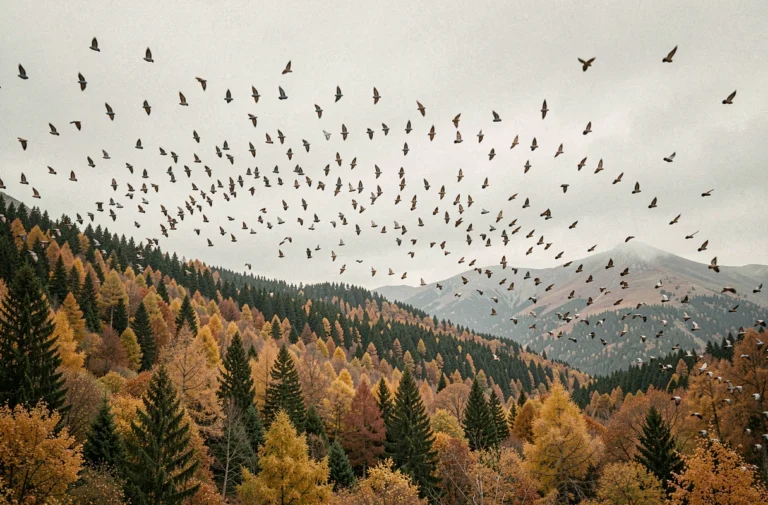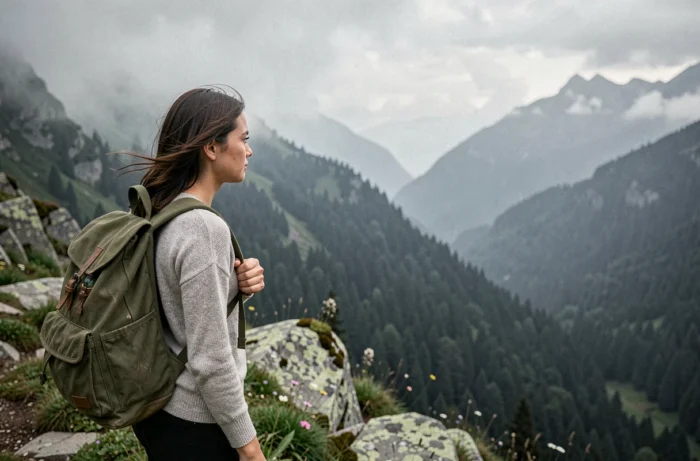
Nature and adventure travel is about more than choosing a destination on a map. Before you even pack a bag, preparation involves a series of practical checks: access rules for natural sites, trail capacity, and local regulations on wildlife and plant life.
Access to some natural sites already requires reservations or is subject to quotas, changing the way you plan a hike or mountain trek.
Check access rules and ecological limits before booking
Most adventure travel articles list destinations without addressing a factor that can shape the entire experience: access restrictions for protected natural areas. From national parks to marine reserves, the rules vary from one country to another—and sometimes from one valley to the next.
The proposed quotas in Chamonix are not an isolated case. Recent European policies highlight the need to spread tourist flows beyond major hubs and outside peak season. This approach to visitor management goes beyond simply recommending that people discover lesser-known places.
Before booking a tour or trek, it is worth checking several things:
- Check the park or reserve’s official website for opening periods, any quotas, and required permits (some trails require a permit issued in the visitor’s name)
- Check whether your planned activity (wild camping, kayaking, diving) is allowed in the exact area covered by your route, as regulations often differ between a park’s core and its surrounding buffer zone
- Find out about local wildlife protection measures, particularly minimum viewing distances and seasonal restrictions related to breeding
These steps are not just an administrative formality. They determine whether the trip is feasible at all. An itinerary planned without these checks could result in being denied access on arrival—or, worse, unintentionally damaging the environment you came to visit. Specialist resources on nature travel and exploration regularly compile this practical information, including https://www.insideoutsidemag.com, which explores how outdoor adventure can go hand in hand with respect for natural environments.
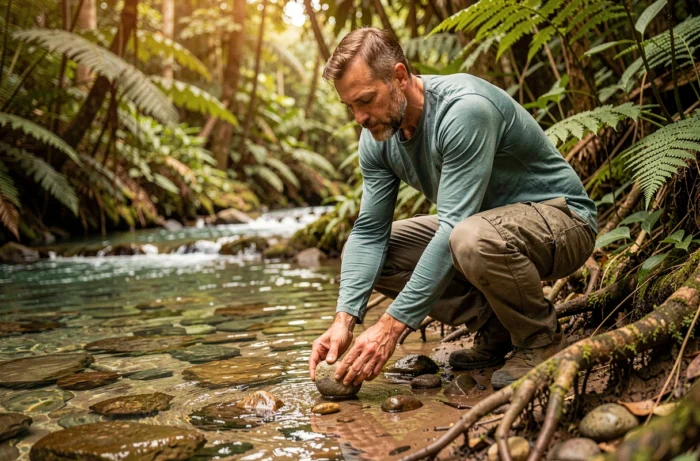
Slow travel and alternative destinations: what recent data shows
Polarsteps’ Year in Travel 2025 report, published on December 15, 2025, documents a trend that is changing the way people approach adventure travel. The app, which tracks its users’ journeys, notes growing interest in the Baltic countries and reports that some travelers deliberately choose a longer or slower route to reduce their environmental footprint.
This data is not representative of the entire tourism market. It reflects a signal among travelers who actively document their journeys. That signal is consistent with European policies aimed at redistributing visitor flows.
What slow travel changes in practice
Choosing an overland journey instead of a domestic flight is about more than making an eco-friendly choice. The mode of transport shapes how you experience the landscape. A train journey through the Baltic countries or along a Mediterranean coast offers a connection with the land that air travel takes away: the terrain, vegetation, and shifts in climate between regions.
Slow travel also sets a pace that changes your relationship with the places you pass through. Spending three days in a valley instead of three hours gives you time to observe local wildlife at different times of day, discover secondary trails, and talk with residents outside the transactional framework of organized tourism.
Ecotourism and its real impact on natural environments
The “ecotourism” label does not guarantee that visits will have no effect on the ecosystems involved. Recent analyses point out that even activities certified as eco-friendly can put pressure on protected areas if they are not accompanied by ongoing monitoring and appropriate visitor management.
This nuance changes how you assess a nature tour. An “eco” lodge on the edge of a reserve may meet construction standards while contributing to overcrowding on an access trail. The label alone is not enough.
Practical criteria for assessing responsible nature travel
Rather than relying solely on certifications, three factors can help you assess a provider’s genuine environmental commitment:
- Group size: a tour that limits departures to around ten participants puts less pressure on sites than groups of thirty or forty
- Transparency about local benefits: an operator that employs local guides and sources supplies locally contributes more to the local economy than one that imports most of its resources
- An environmental monitoring protocol: some providers work with scientific organizations to measure the impact of their activities on wildlife and plant life, season after season
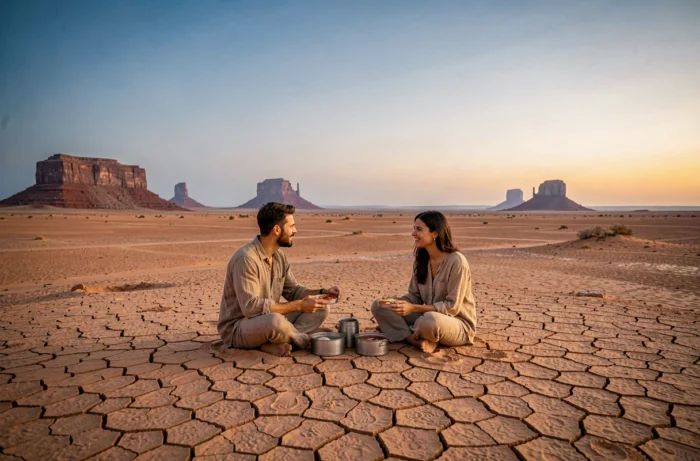
Three types of nature adventure that change your relationship with the land
Beyond lists of destinations, certain kinds of travel can permanently change how you see the landscapes you pass through.
Multi-day self-supported trek
Carrying your gear, choosing your campsites, and managing your water and food: a self-supported trek demands constant attention to the terrain. This kind of adventure is well suited to areas where tourism infrastructure remains limited. Self-sufficiency means reading the landscape as a resource, not as a backdrop.
Wildlife watching away from marked routes
Wildlife watching takes on a different dimension when you leave safari vehicles and purpose-built viewing platforms behind. On foot, by kayak, or from a discreet hide, your relationship with the natural world changes. Silence becomes a tool. Patience takes the place of a tightly timed itinerary.
Coastal sailing by sailboat or sea kayak
Following a coastline by sea lets you discover stretches of shore that are inaccessible by road. Coves, sea caves, and nesting bird colonies come into view from the water. This kind of nature travel requires maritime preparation (weather, currents, authorized landing points), which is an integral part of the adventure.
Preparing for an adventure trip involves more than choosing a country or a landscape. Access rules, site capacity, and the real impact of activities on natural environments shape the quality of the experience just as much as the beauty of the places themselves. An itinerary checked in advance protects both the traveler and the land they explore.